
 Affordable, Reliable, and Built to Last.
When it comes to improving your home, a loft conversion
is one of the smartest investments you can make.
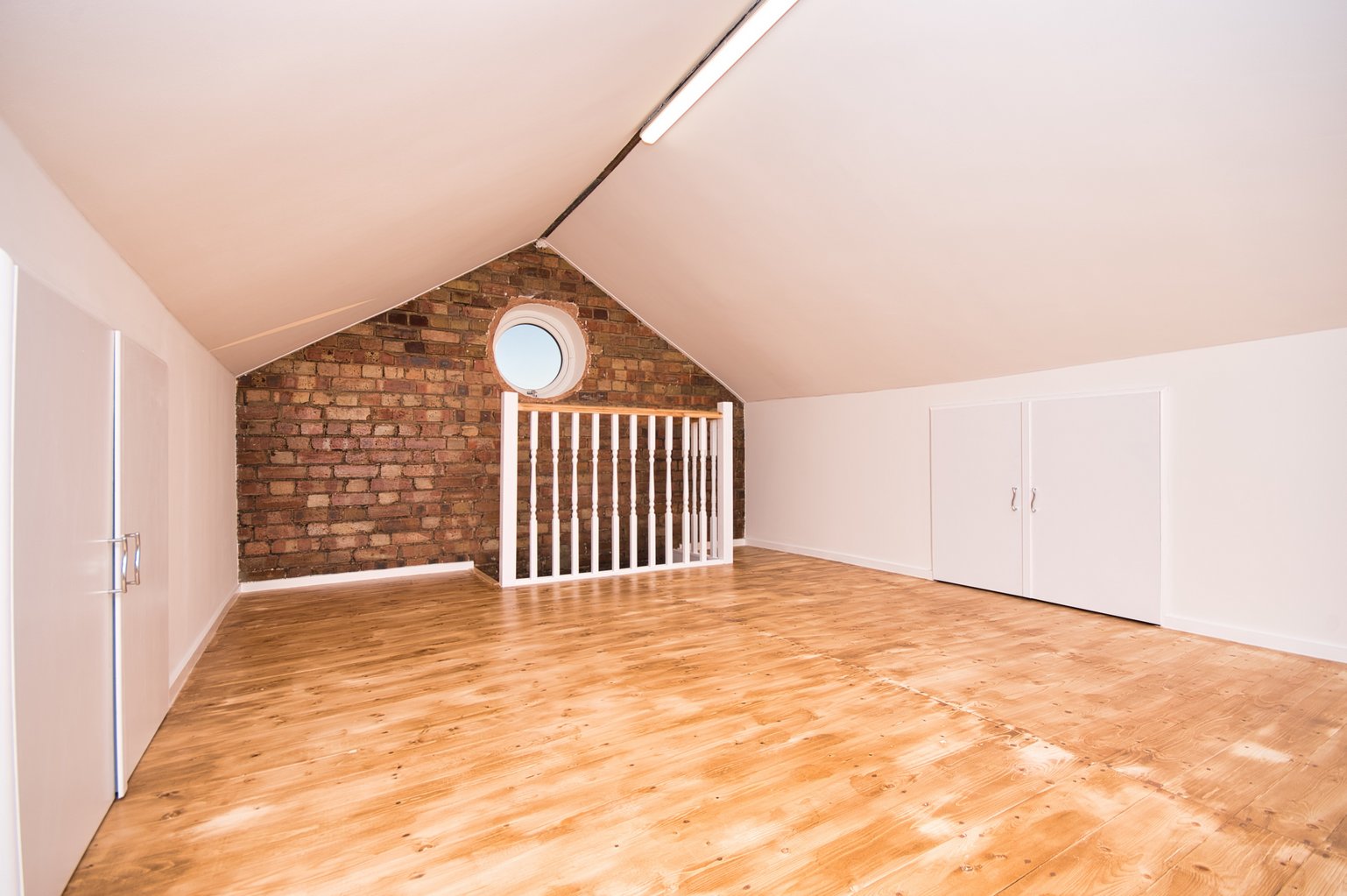
Transforming unused spaces into beautiful, functional living areas that add value and character to your home.
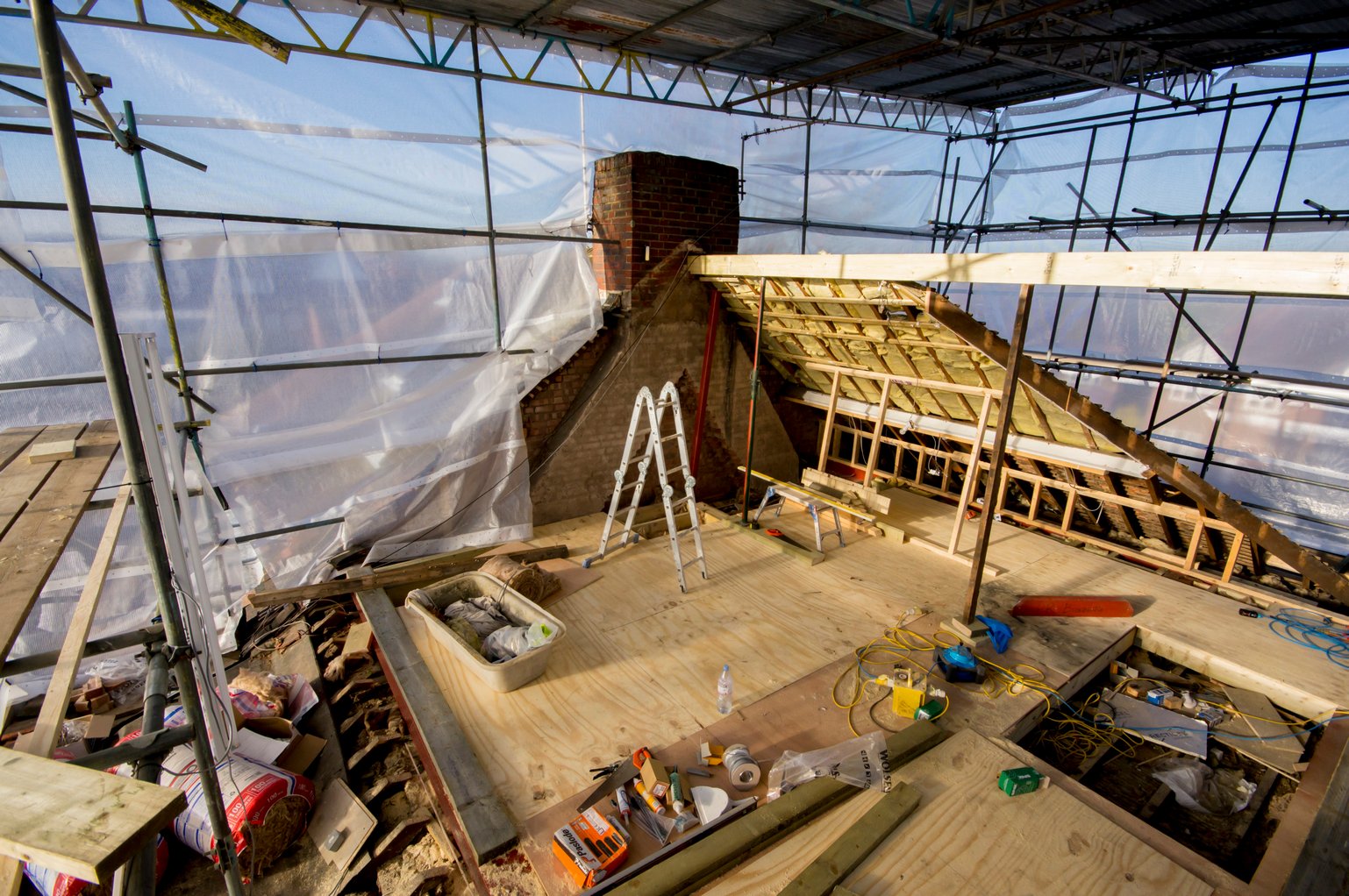
Upgrade your home with a loft conversion that includes expert roof renovations, creating functional space while improving durability and value.
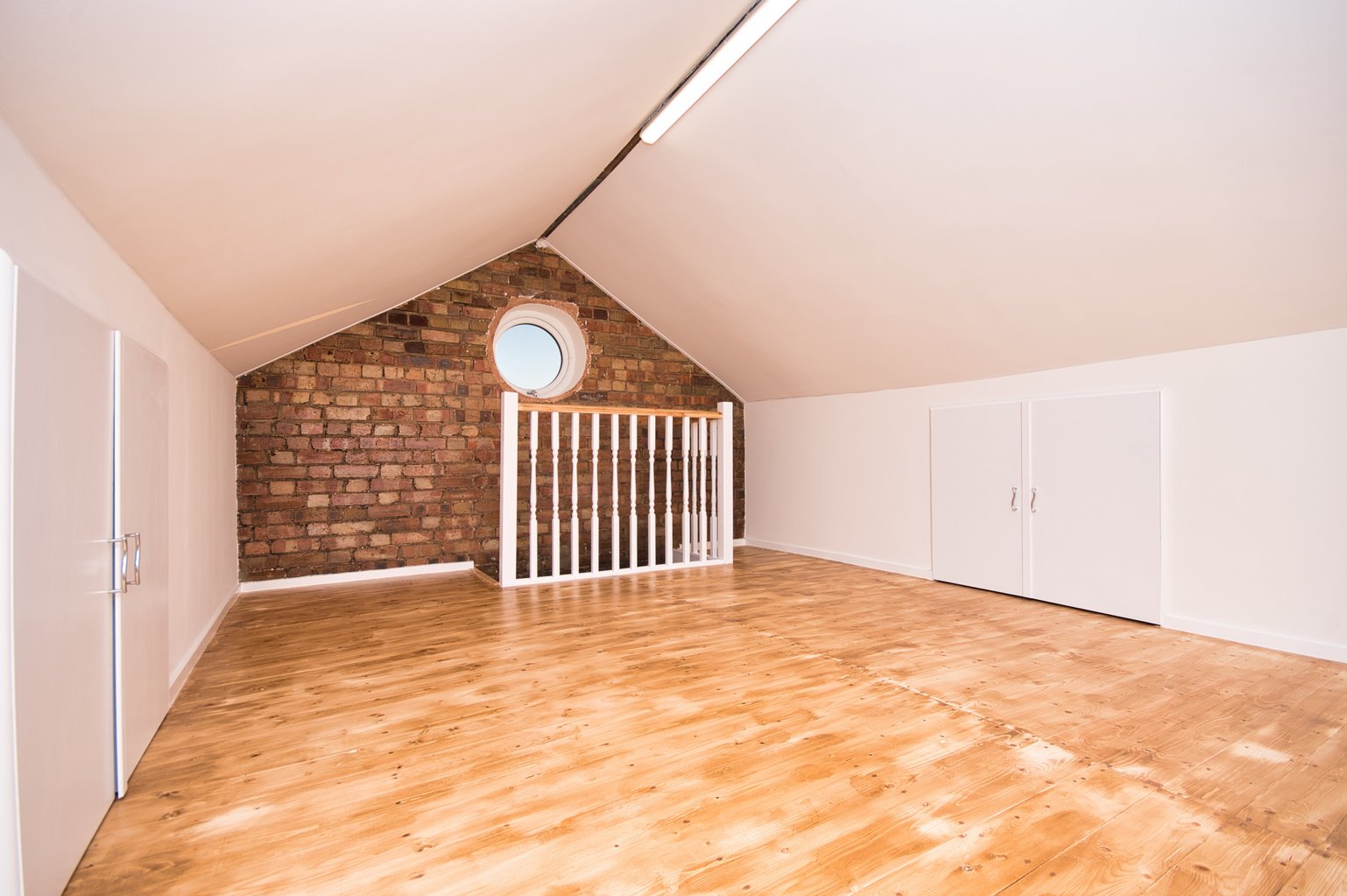
Your new loft is cleaned, inspected, and handed over ready for you to enjoy a beautiful, functional new living space.
Years Of Experience
 About Us
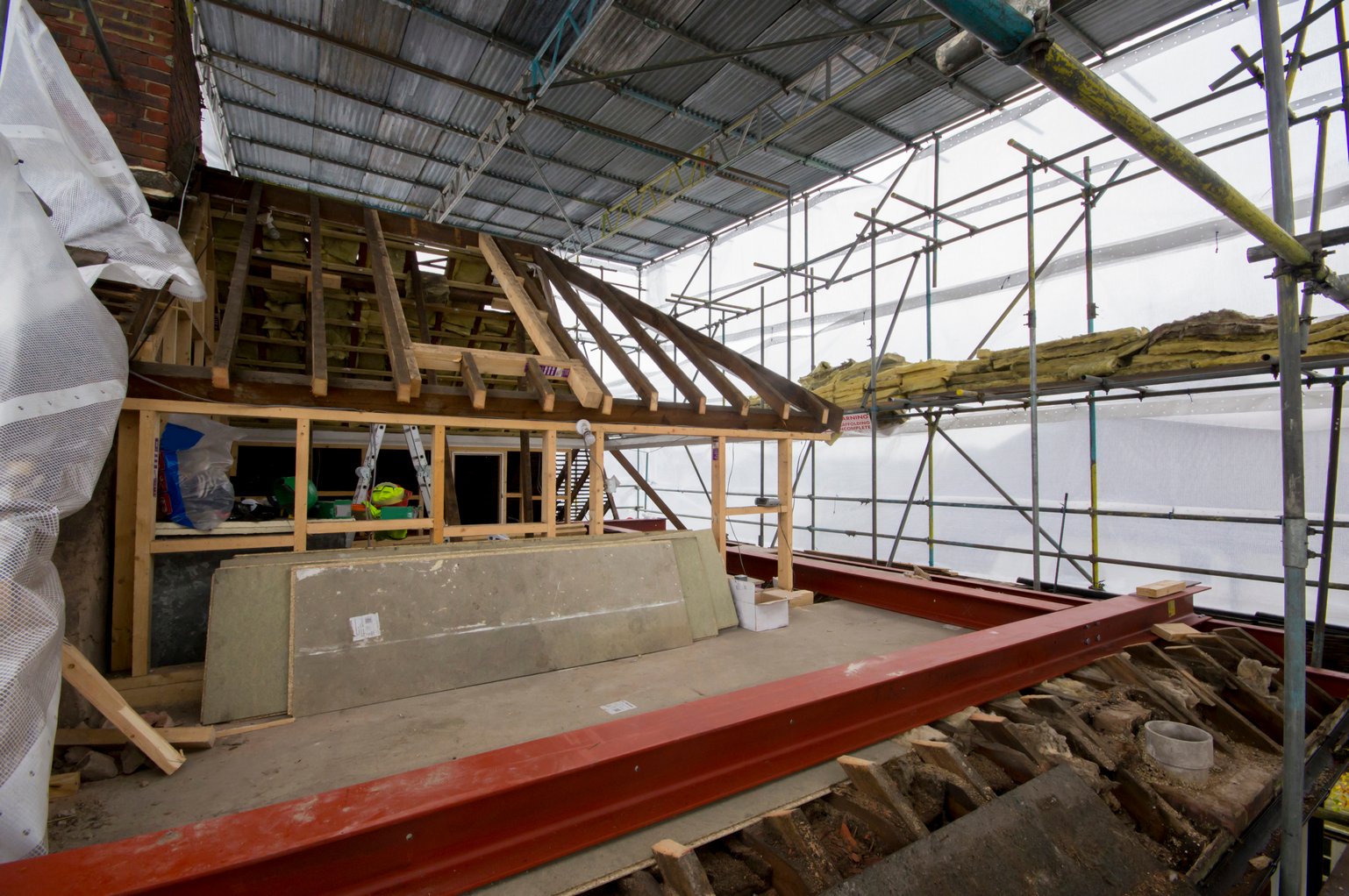
From minor upgrades to full loft transformations, we treat each home as our own, providing personalized solutions tailored to your space, style, and needs. Trust us to create a loft that adds comfort, functionality, and lasting value.
Our team ensures every detail is completed to the highest standard, from planning to final handover. We work closely with you throughout the process to deliver a loft that perfectly suits your lifestyle and vision.
 Creating Functional Spaces, Building Lasting Trust Loft Conversions Delivered with Expertise and Care Commitment to Quality, Excellence in Loft ConversionsWhy Choose Us
 Transforming a +AREA+ loft boosts your home’s value and functionality. Consider types like hip to gable or dormer conversions for increased headroom and light. Costs span £50,000 to £90,000, with an extra 10% contingency. Secure planning permissions and adhere to building regulations. Enhance the design with energy-efficient systems and stylish finishes. Successful project management ensures a seamless process and compliance. Discover how your loft can profoundly elevate your home's aesthetics and livability.
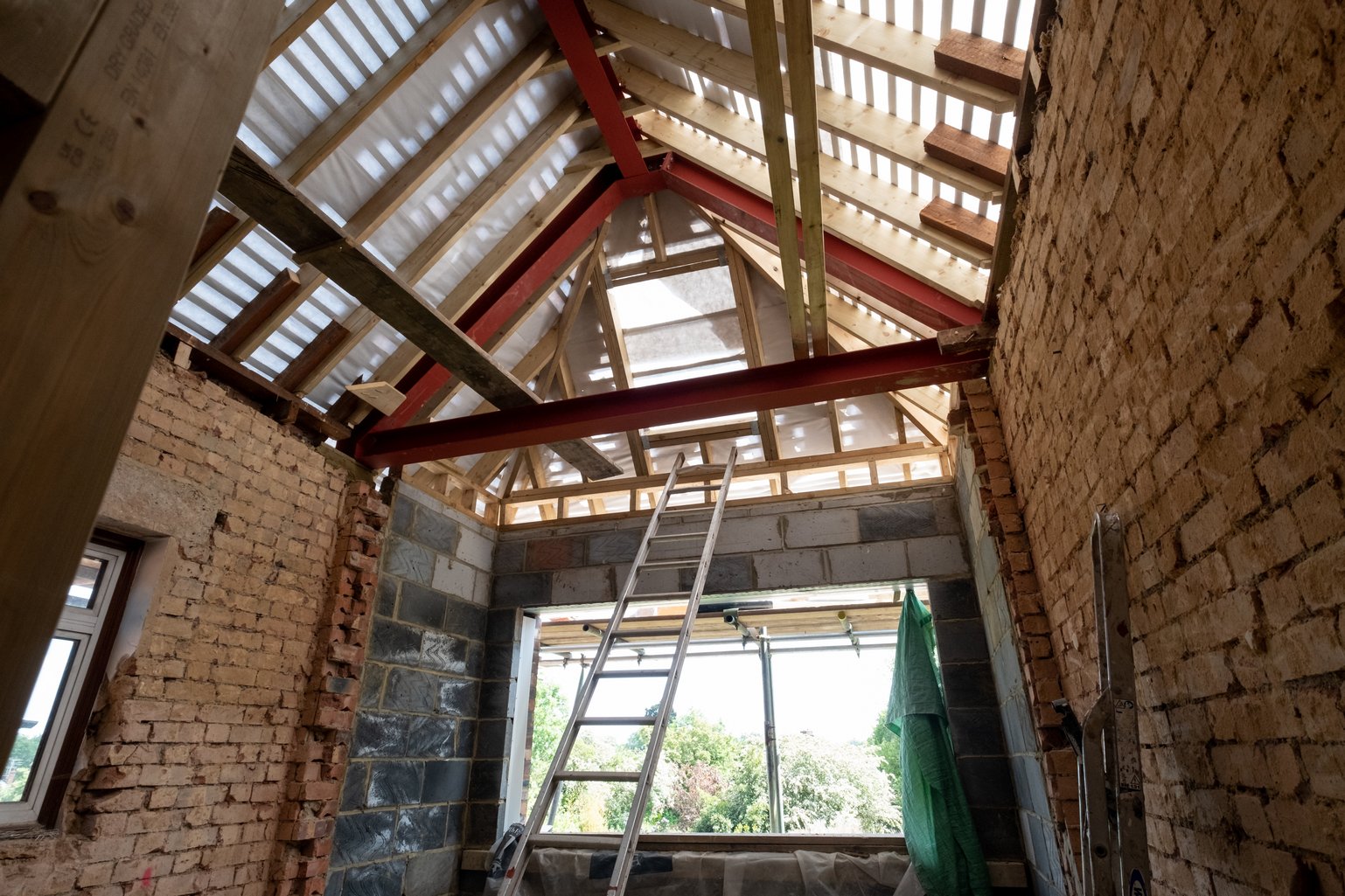
A loft conversion offers a strategic boost to your property's value, increasing it by up to 25%, making it an appealing investment decision. When considering enhancements, prioritizing interior lighting is essential; optimal placement of windows and skylights maximizes natural light, creating an inviting ambiance. Efficient insulation materials, such as rigid foam boards or mineral wool, are vital to improve thermal performance, reducing heating costs and enhancing energy efficiency. This not only cuts down on utility expenses but also minimizes your carbon footprint. Furthermore, a well-executed design can transform your loft into functional spaces—be it an additional bedroom, office, or bathroom—thus enhancing the home's overall aesthetic appeal and character. These improvements considerably boost your property's market desirability.
When considering loft conversions, you can explore Hip to Gable options, which transform sloped hip roofs into vertical gable ends, thereby increasing headroom and optimizing space. Alternatively, Dormer conversions offer a practical solution by adding a vertical, windowed structure to the roof, enhancing both height and natural light. Each type requires careful assessment of your roof's structure, planning permissions, and the intended functionality of the new space.
Transforming a sloped hip roof into a vertical gable wall, a hip to gable loft conversion notably increases headroom and usable space. You'll undertake structural alterations, replacing the sloping hip with a gable, which can add 20-30% more floor area to your home. This type of conversion is particularly effective for semi-detached or detached houses with hipped roofs, maximizing space without expanding the property's footprint. Expect costs to range from £50,000 to £90,000, contingent on your project's size and complexity. Aesthetic enhancements, like new windows or Juliet balconies, invite natural light, enhancing your design. This conversion maintains minimal external impact, preserving your home's existing appearance while substantially increasing internal functionality.
As you explore options for maximizing loft space, consider the versatile dormer loft conversions. These involve adding a vertical windowed structure to the roof, enhancing headroom and usable space. Dormer styles vary, each with distinct benefits:
Choose roof materials that blend seamlessly with existing structures. Costs typically start at £2,400 per square meter, varying with size and complexity. Dormers transform lofts without major roofline alterations, often aligning with permitted development rights.
To guarantee your loft conversion in +AREA+ complies with local regulations, you must understand the legal compliance essentials, including whether your project falls under permitted development rights. Prepare a detailed required documentation guide to streamline your application process, which typically involves architectural plans, structural calculations, and a party wall agreement if applicable. Securing local authority approval involves a precise review of regulations, with planning permission costs averaging £234, plus any additional fees for necessary legal agreements or specialist surveys.
Beginning a loft conversion in +AREA+ requires traversing a maze of legal compliance essentials, though most projects benefit from permitted development rights. However, you must ensure that your conversion adheres to critical standards to avoid legal liabilities. Here's what you need to consider:
When diving into a loft conversion in +AREA+, understanding the required documentation is essential for a smooth process. Most conversions qualify under permitted development rights, avoiding planning permission if specific criteria, such as not exceeding 40 cubic meters for terraced houses, are met. However, if your property is in a conservation area or is a listed building, you'll need planning permission or listed building consent. Regardless, building regulations approval is indispensable, ensuring compliance with structural requirements, thermal performance, and safety standards. Secure building permits early in the process. If your project affects shared walls, a Party Wall Agreement is vital. Consult local council guidelines and obtain necessary documents to prevent legal issues and project delays.
Understanding the documentation needed for a loft conversion is one piece of the puzzle; obtaining local authority approval guarantees your project complies with planning permission rules and building regulations. Most loft conversions fall under permitted development, but properties within heritage restrictions like conservation areas or listed buildings require prior approval. Consider these steps for compliance:
These steps ensure a smooth approval process for your loft conversion.
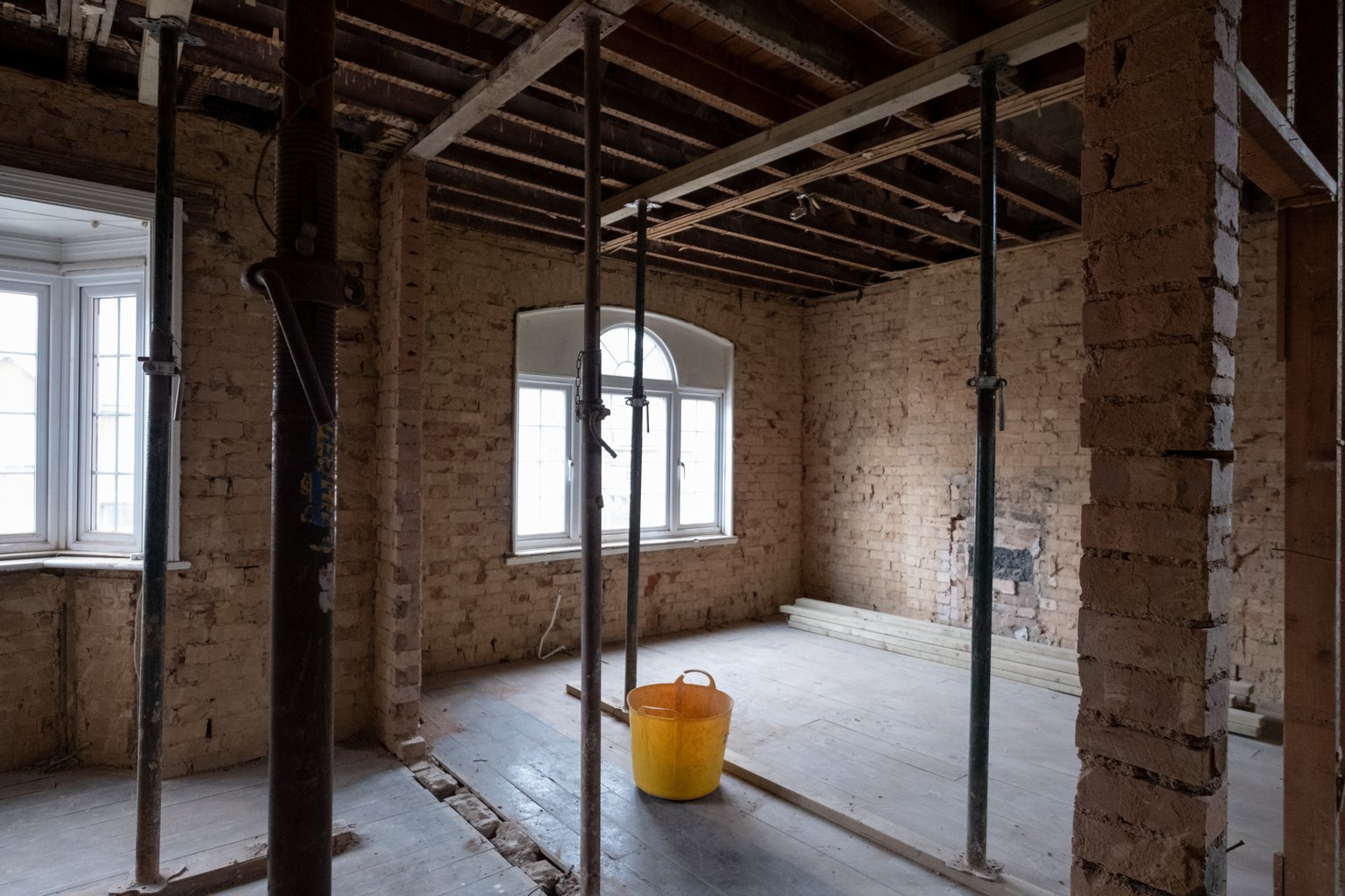
While planning a loft conversion in +AREA+, it is crucial to take into account the range of costs involved, which typically spans from £50,000 to £90,000. Start with a detailed cost estimation, considering factors like structural modifications. Dormers or hip-to-gable extensions notably affect your budget planning. Allocate funds for planning permissions (~£234), building regulations (~£800), and surveys (£500–£2,000). High-end finishes and fixtures can push costs beyond £100,000, so prioritize based on necessity and design aspirations. Remember to incorporate a 10% contingency to cover unforeseen expenses. This foresight ensures a smoother financial journey, minimizing disruptions. By understanding these elements, you can effectively manage your project's financial demands while achieving a functional and aesthetically pleasing loft space.
Elevating your loft conversion's potential involves carefully selecting design and customization options that align with your lifestyle and aesthetic goals. You can choose from various designs, such as:
Precision in layout, such as open-plan or divided spaces, ensures functionality, while personalized interior finishes provide a unique touch.
Properly managing a loft conversion project guarantees that each phase, from initial planning to final touches, unfolds seamlessly and on schedule. Effective project management involves meticulous budget planning, ensuring every expense aligns with your financial constraints. Start by selecting a skilled contractor who can execute structural calculations and construction with precision. Dedicated project managers are vital, coordinating with architects, builders, and suppliers to streamline communication. Use of project management apps like Simply Dashboard lets you track progress, approve changes, and stay on top of milestones in real-time. Schedule regular site inspections to maintain quality control and safety compliance. Comprehensive guarantees and insurance coverage offer peace of mind, while adherence to building regulations ensures your project's legal compliance.
In the domain of loft conversions, South +AREA+ Lofts stands as a beacon of expertise and reliability, with 36 successful projects completed on a single street. Their portfolio boasts innovative designs and sustainable solutions. Consider these highlights:
Clients consistently praise the improved space, seamless project management, and enhanced property value. These success stories illustrate how precise measurements and design-focused approaches can transform homes into functional, aesthetically pleasing spaces.
A typical loft conversion takes about 4 to 8 weeks to complete. You start by evaluating design considerations, ensuring structural integrity and ideal space utilization. Precise measurements help in cost estimation, factoring in materials and labor. Incorporate design elements like windows and staircase placement early on. Efficient project management and clear timelines keep everything on track. Remember, unexpected issues can arise, so plan contingencies within your budget and schedule.
You’ll encounter several challenges during loft conversions, like structural modifications and insulation challenges. Adjusting roof structures often requires precise measurements to guarantee stability and safety. Additionally, achieving ideal insulation demands careful planning to meet energy efficiency standards. You might need to address design-focused issues like limited headroom and natural light entry. Properly steering these technical aspects will ensure a successful conversion, providing both functionality and aesthetic appeal in your new space.
To guarantee your loft conversion is eco-friendly, select sustainable materials like reclaimed wood and recycled insulation. Choose an energy-efficient design by incorporating triple-glazed windows and LED lighting. Install solar panels and use a heat recovery ventilation system for maximum energy conservation. Consider the precise placement of windows to maximize natural light, reducing reliance on artificial lighting. Aim for high thermal efficiency with at least 0.18 W/m²K U-values for walls.
Yes, you’ve got financing options for your loft conversion! Consider home improvement loan programs offering competitive interest rates. Evaluate options like personal loans, equity release, or remortgaging. Check if your local government provides financial incentives for energy-efficient designs. Typically, loan amounts can cover 80-100% of project costs, depending on your credit score and property value. make certain your design plans are precise to maximize funding and avoid unexpected expenses.
Yes, you can live in your home during the loft conversion process, but expect some noise disruptions. Careful planning and communication with your contractor can minimize inconvenience. Make certain building permits are in place before starting. Precision in design measurements, like maintaining a minimum ceiling height of 2.2 meters, is vital. Consider setting up temporary living arrangements in less-affected parts of your home to maintain comfort during construction.
In converting your loft, you’re not just adding space; you’re enhancing your home’s functionality and value. Evaluate the types of conversions based on structural integrity and spatial dynamics. Navigate planning permissions carefully, guaranteeing compliance with regulations. Consider costs meticulously, balancing budget constraints with high-quality materials. Prioritize design customization, focusing on precision and aesthetics. Effective project management ensures seamless execution, resulting in a stunning transformation. Let real-world case studies inspire your journey, showcasing successful loft conversions in +AREA+.
+POSTCODES+
Ready to transform your home with a stylish, functional loft?
Whether you’re planning a minor upgrade or a complete loft transformation, our expert team is here to create a space that adds comfort, style, and lasting value.
We’re committed to delivering top-quality loft conversion services that transform your home and increase its value. With years of expertise and a focus on customer satisfaction, our team ensures every project is completed to the highest standards.

