
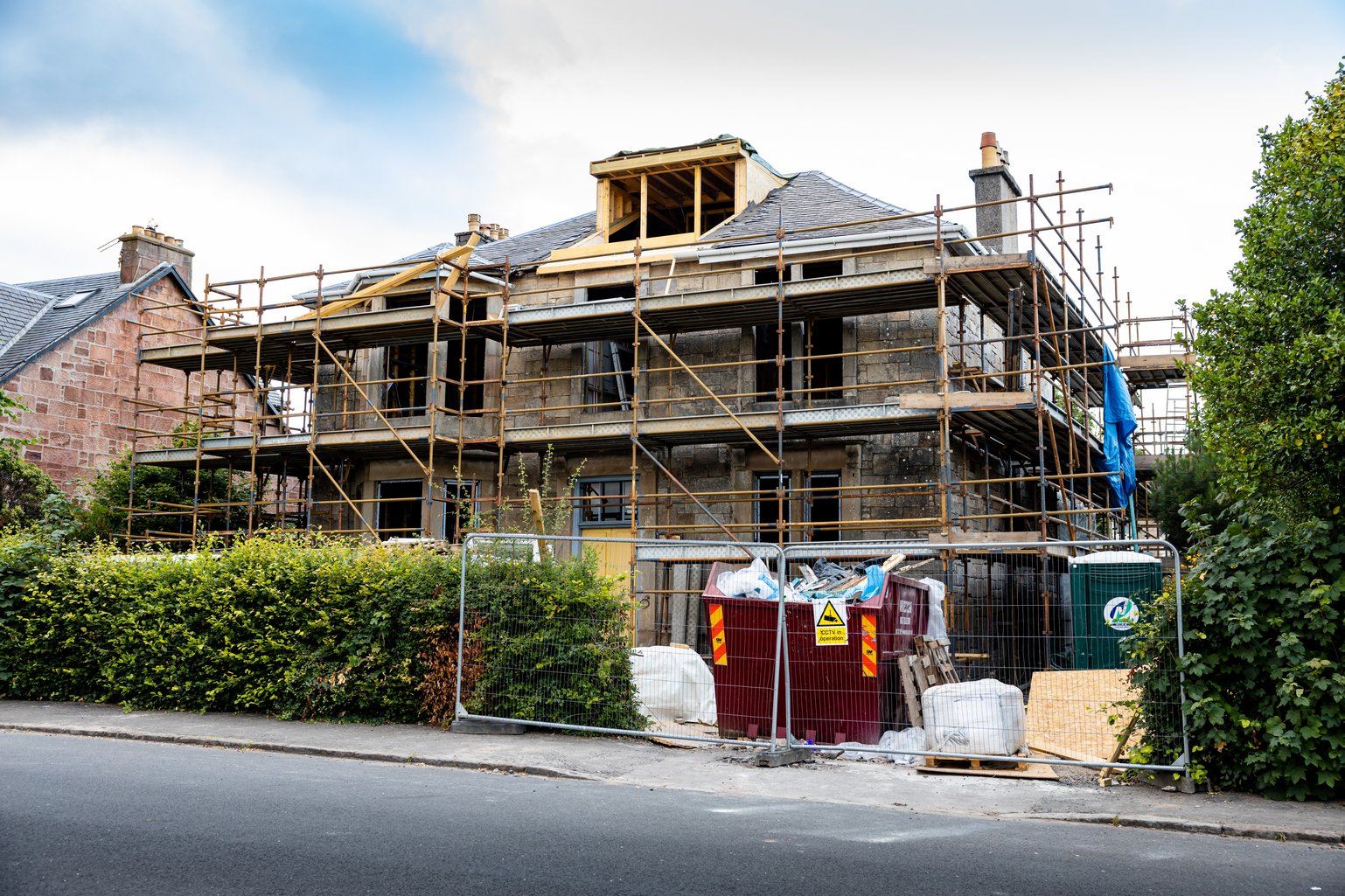
When it comes to roofing in +AREA+, you’ll face unique climate challenges like heavy rainfall and strong winds. Choosing durable materials, such as slate or metal, is essential for storm resistance. Regular maintenance prevents leaks and extends your roof's lifespan, while proper drainage solutions minimize water pooling. It's important to select a qualified contractor who understands local regulations and design trends. Discover more about the best practices and options for roofing in +AREA+ to protect your investment.
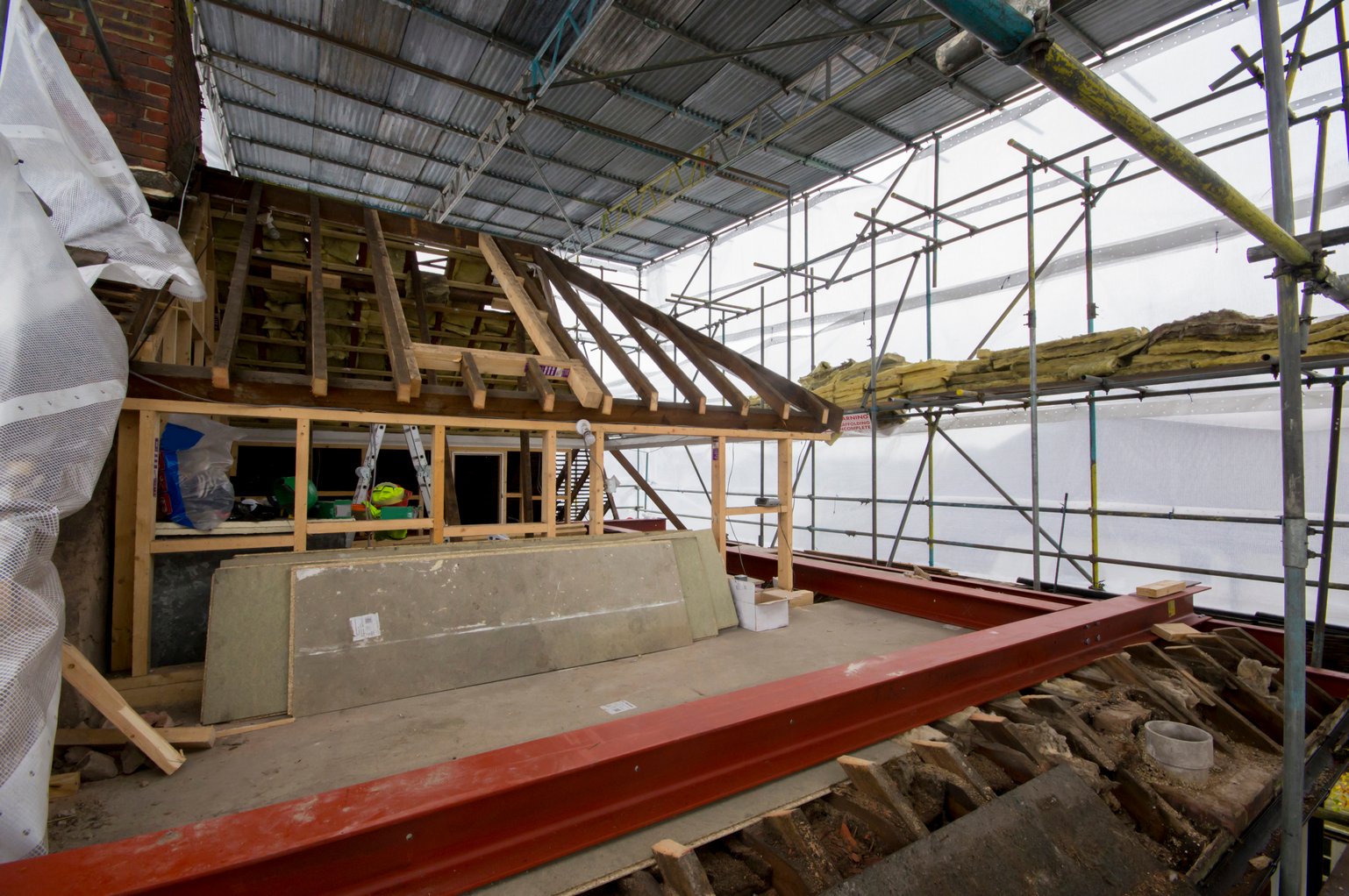
As you navigate the roofing landscape in +AREA+, understanding the unique climate challenges that can impact your roofing choices is essential. +AREA+’s weather can be unpredictable, with heavy rainfall and strong winds posing significant risks. Ensuring storm resilience in your roofing system is imperative to prevent leaks and structural damage. This resilience can be achieved through the selection of durable materials and effective design considerations. Additionally, implementing proper drainage solutions is critical; adequate drainage systems help redirect water away from your roof, minimizing the risk of pooling and subsequent water damage. Regular maintenance checks can further enhance your roof's performance, allowing you to address issues before they escalate. Prioritizing these factors will help you make informed roofing decisions tailored to +AREA+'s climate.
Choosing the right roofing materials is essential for ensuring the longevity and performance of your home in +AREA+’s challenging climate. Consider opting for slate or metal roofing, both known for their durability and storm-resistant properties. Slate offers a classic aesthetic while providing excellent resistance to heavy rain and wind. Metal roofs, on the other hand, are lightweight and can reflect heat, contributing to energy efficiency.
If sustainability is a priority for you, explore eco-friendly options like green roofs or recycled roofing materials. Green roofs not only enhance insulation but also promote biodiversity in urban areas. Recycled shingles create less waste and are often just as effective as traditional materials. By selecting the appropriate roofing, you can enhance your home’s resilience and sustainability.
While many homeowners might overlook their roofs until a problem arises, regular roof maintenance is essential for preserving the integrity and longevity of your home. Scheduling routine roof inspections helps identify issues like leaks or damaged shingles before they escalate. During these inspections, professionals can assess the condition of your roof and recommend necessary repairs. Additionally, gutter cleaning is vital; clogged gutters can lead to water damage and structural problems. Ensuring that your gutters are clear allows rainwater to flow freely, protecting your roof and foundation. By prioritizing these maintenance tasks, you not only extend the lifespan of your roof but also save money on costly repairs down the line. Regular upkeep is a smart investment in your property’s future.
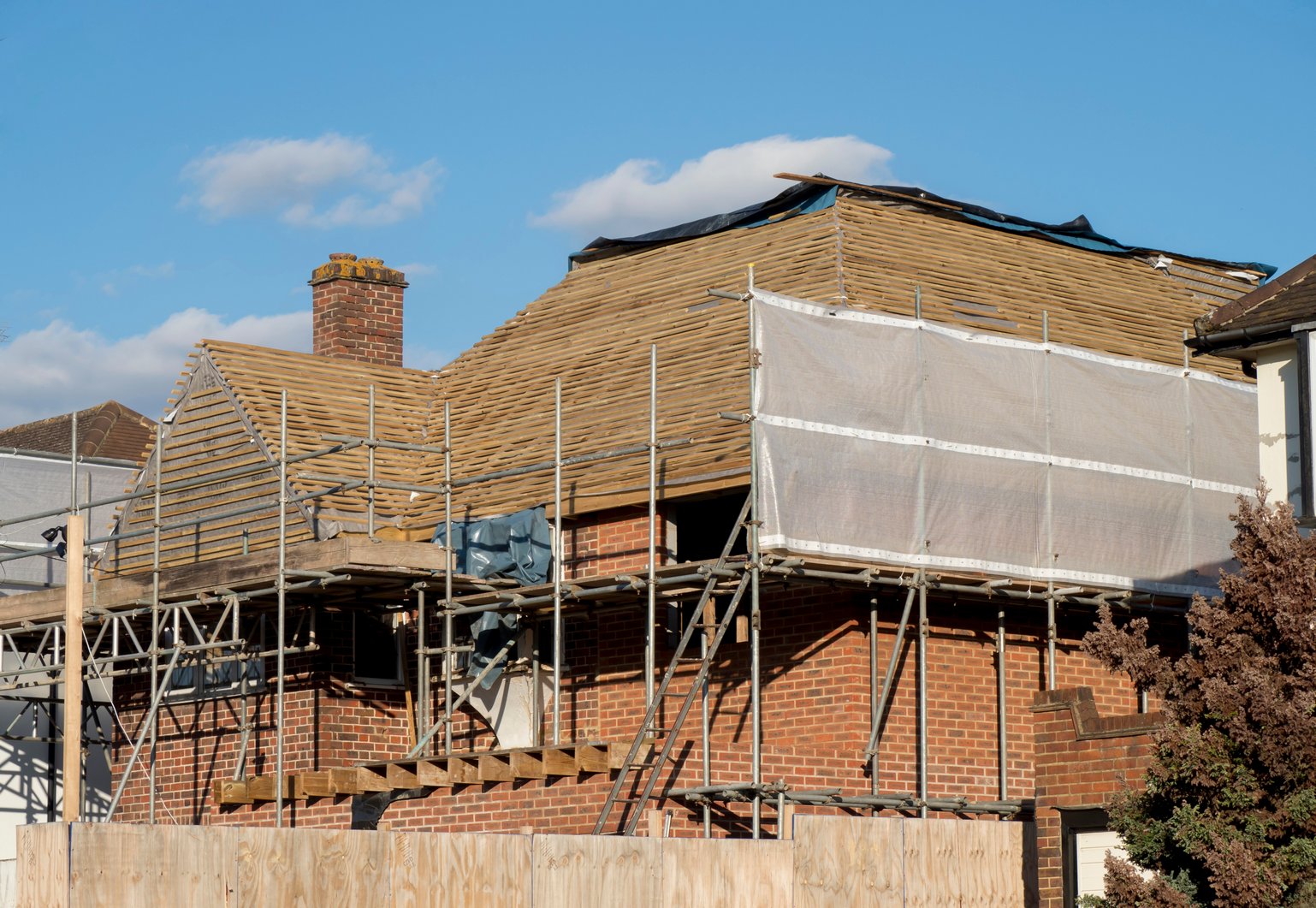
When choosing a roofing contractor, it's essential to verify their credentials and licenses to guarantee they meet industry standards. Evaluating their experience and expertise can help you gauge their ability to handle your specific roofing needs. Taking these steps will help you avoid potential pitfalls and secure a reliable partner for your roofing project.
Before hiring a roofing contractor, it’s essential to verify their credentials and licenses to make certain you're working with a qualified professional. This process safeguards your investment and ensures compliance with local regulations. Here are key steps to take:
Evaluating a roofing contractor's experience and expertise is crucial to ensuring your project is in capable hands. Start by checking their roofing certifications, which indicate their adherence to industry standards and best practices. Look for contractors who have completed specialized training programs, as this can reflect their commitment to quality work.
Next, assess their project management skills. A proficient contractor should demonstrate the ability to coordinate timelines, manage resources effectively, and communicate with you throughout the process. Ask for references and examples of past projects to gauge their reliability and craftsmanship.
Ultimately, a contractor with a solid track record and proven expertise can greatly influence the success of your roofing project, ensuring it meets your expectations and withstands the test of time.
How are modern roofing designs transforming the aesthetics of urban landscapes? You’ll find that innovative approaches, especially sustainable roofing, play a pivotal role. These designs enhance not only energy efficiency but also the visual appeal of buildings. Here are some key trends to contemplate:
Embracing these trends not only elevates your property’s value but also contributes to a more sustainable future.
When planning your roofing project, understanding local building codes is essential to guarantee compliance and safety. You'll need to navigate the permit application process, which involves submitting detailed plans and possibly scheduling inspections. Familiarizing yourself with these regulations can save you time and prevent costly delays.
Understanding local building codes is essential for any roofing project, as these regulations dictate what’s permissible in your area. Adhering to these codes guarantees safety and compliance, affecting both roofing material selection and roof inspection procedures. Here are key considerations:
Before you start your roofing project, you’ll need to navigate the permit application process, which is essential for ensuring compliance with local regulations. First, check with your local authority to determine if roofing permits are required for your specific project. Gather necessary documents, such as property plans and details about the materials you’ll use. Complete the application forms accurately, as any errors can delay the process. Submit your application along with any required fees and wait for approval. Depending on your location, this may take a few days to weeks. Once granted, keep the permit on-site during the project to avoid fines. Following these application procedures guarantees a smoother, compliant roofing experience.
A typical roof installation can take anywhere from a few days to a couple of weeks, depending on the roofing materials you choose and the complexity of your roof. If you're using standard asphalt shingles, expect a quicker installation timeline. However, more intricate materials like slate or tile might extend the process. Weather conditions and crew availability also play a vital role, so it’s essential to plan accordingly for a smooth installation.
When it comes to roofing warranties, you’ll typically find two main types: material guarantees and workmanship warranties. Material guarantees cover defects in the roofing materials, often lasting from 10 to 50 years, depending on the manufacturer. Workmanship warranties, provided by contractors, usually last 1 to 10 years, ensuring proper installation. It's essential to read the fine print, as coverage and terms can vary considerably, protecting your investment effectively over time.
Yes, you can roof your house yourself, but DIY roofing requires careful planning and significant skills. First, assess your roof's condition and make certain you have the right materials and tools. Prioritize roof safety by using proper harnesses and ladders, and always follow local building codes. If you're inexperienced, consider consulting a professional or taking a workshop. Remember, it’s essential to avoid risks that could lead to injury or costly mistakes.
You’ll notice common signs your roof needs replacing when you see significant roof damage, such as missing shingles or cracked tiles. Water stains on your ceiling often indicate leaks, which can worsen with weather impact. If daylight peeks through your roof boards, it’s a clear sign of deterioration. Additionally, sagging areas or excessive moss growth can signal underlying issues. Regular inspections can help you catch these problems early, ensuring your home remains safe and protected.
To deal with roof leaks in winter, start by clearing your gutters to prevent ice dams, which can trap water and lead to leaks. Inspect for any visible damage or gaps in your roofing materials. If you spot any, apply a temporary waterproof sealant until a professional can make permanent repairs. Keep an eye on your ceilings for further signs of moisture, and address any leaks immediately to avoid extensive damage.
In summary, traversing +AREA+'s roofing landscape requires an understanding of its unique climate, careful material selection, and ongoing maintenance. By choosing the right contractor and staying informed about design trends and regulations, you can guarantee your roof meets both aesthetic and functional needs. Regular inspections and timely repairs will prolong your roof's lifespan and protect your investment. Embrace these strategies, and you'll maintain a safe, stylish, and resilient roof over your +AREA+ home for years to come.
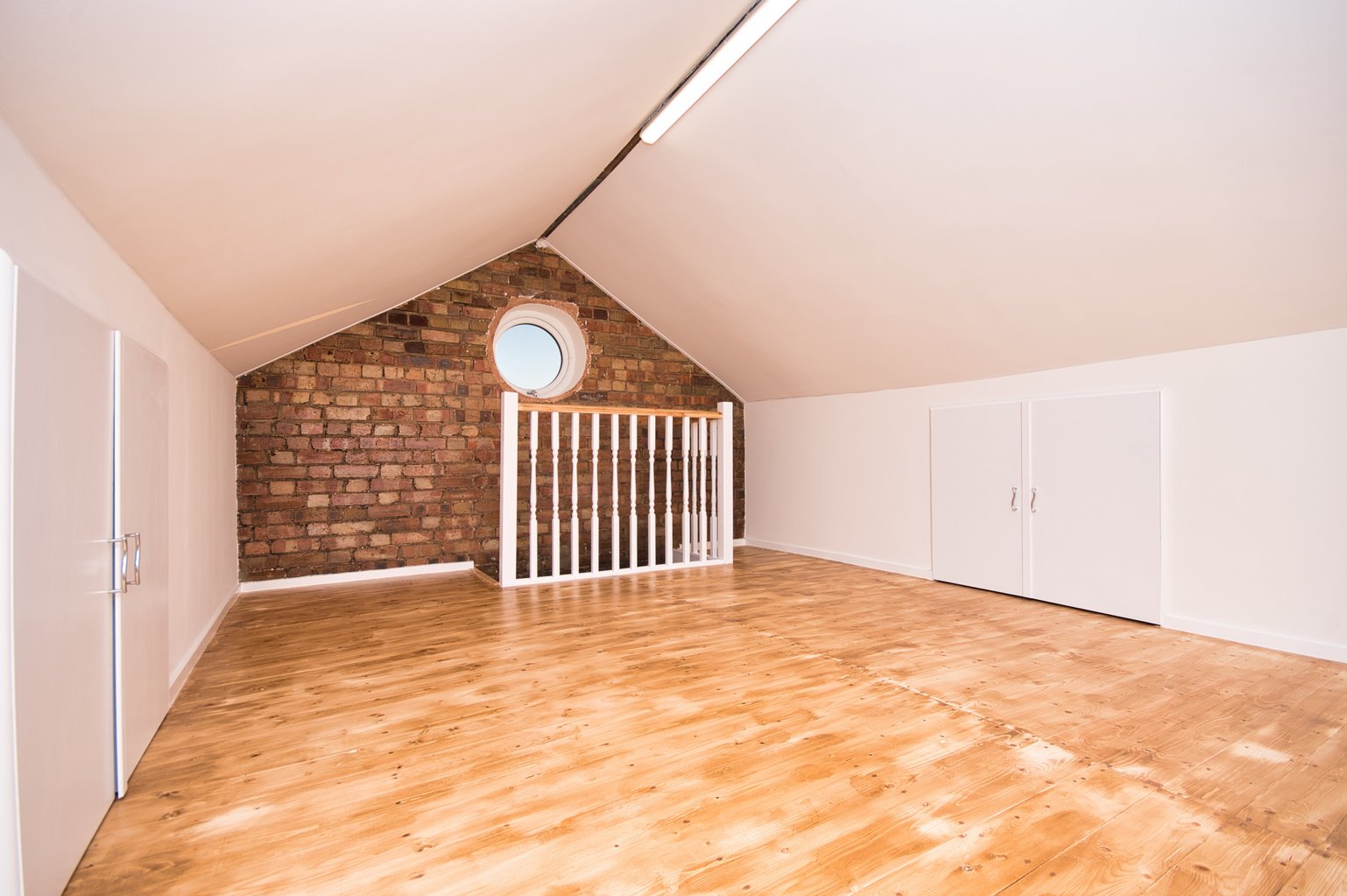
Ready to transform your home with a stylish, functional loft?
Whether you’re planning a minor upgrade or a complete loft transformation, our expert team is here to create a space that adds comfort, style, and lasting value.
We’re committed to delivering top-quality loft conversion services that transform your home and increase its value. With years of expertise and a focus on customer satisfaction, our team ensures every project is completed to the highest standards.